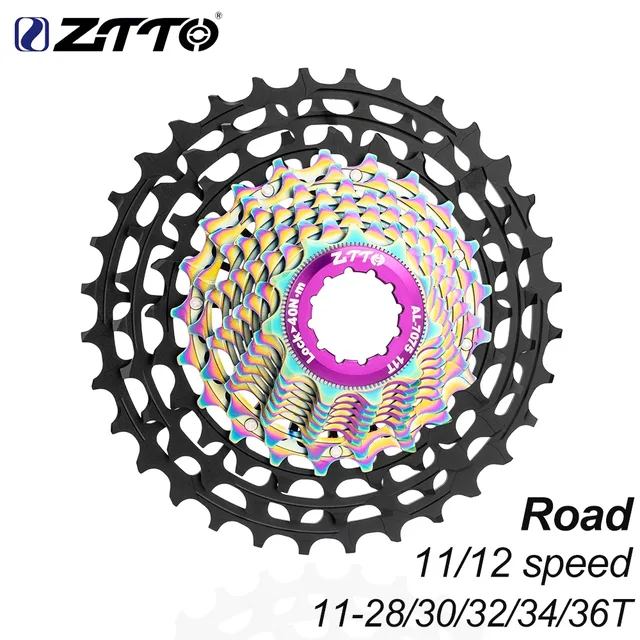
ZTTO lightweight 12-speed cassette
About 130 g. Saved 230 g on its own.
About US$90
Buy on AliExpress ↗
 Jack's Coaching
By Jack, Jack's Coaching
Updated 7 November 2026
Bought with my own money
The buy buttons on this page are affiliate links. If you buy through them I may earn a small commission at no extra cost to you. No brand sent me these parts or saw this article.
The best AliExpress road bike upgrade is the ZTTO lightweight cassette: it saved me 230 g for about US$90. Next come the RIRO carbon crankset (165 g) and the RYET saddle (50 g). With two free tweaks, they took my TanTan X68 from 7.38 kg to 6.95 kg. The catch: the ZTTO's alloy sprockets wear faster than Shimano steel.
About 130 g. Saved 230 g on its own.
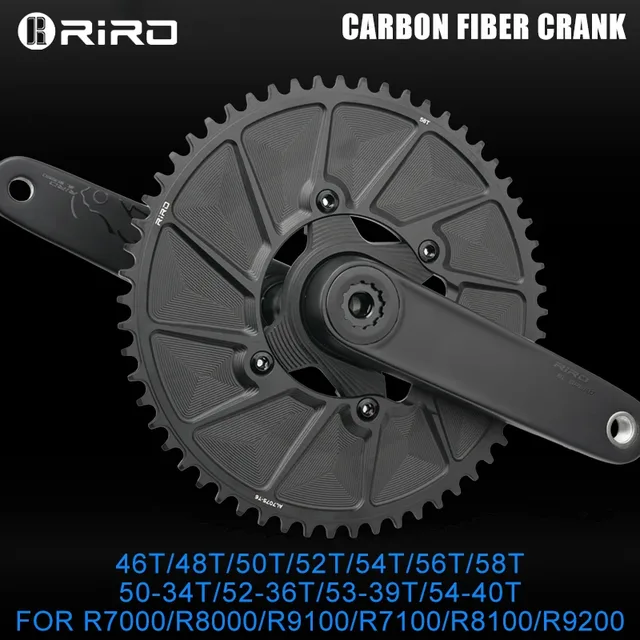
Carbon arms, 590 g as I run it. 165 g off my 105 cranks.
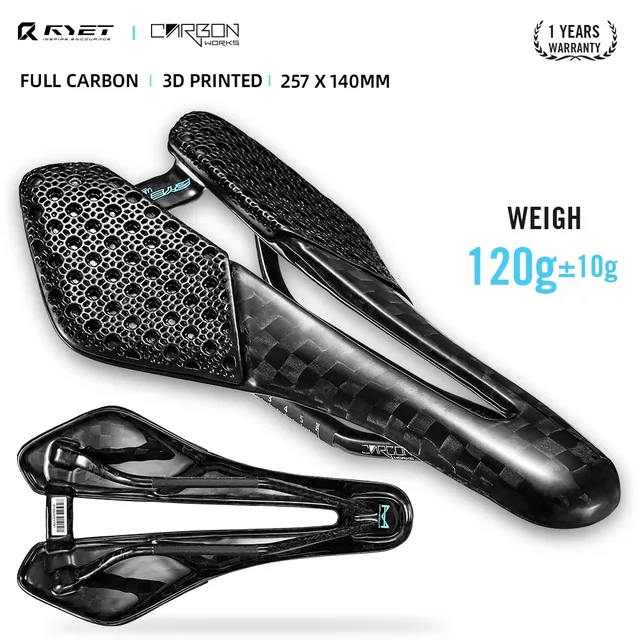
About 120 g. The most comfortable saddle I've used.
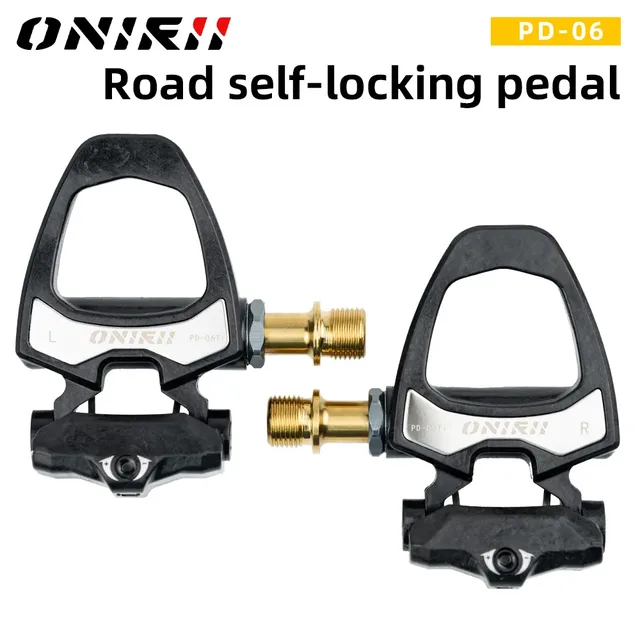
About 200 g a pair. 30 g lighter than my Dura-Ace pedals.
A Dura-Ace groupset costs up to US$4,000. Against 105 Di2 it saves about 452 g and maybe 2 W.
I wanted most of that weight saving for a fraction of the price. So I swapped parts on my TanTan X68 for cheap AliExpress ones and weighed every single one. 7.38 kg down to 6.95 kg.
Below is what each part saved, what it cost, who should buy it, and the catches nobody puts in the listing.
If you only buy one thing, buy the ZTTO cassette: it saved 230 g on its own. Add the RIRO crankset if your bottom bracket suits it, and the RYET saddle if you want comfort too.
The cassette saves the most: 230 g on my bike, ahead of the carbon crankset at 165 g and the saddle at 50 g. Pedals were the smallest paid saving at 30 g, and two free tweaks beat them.
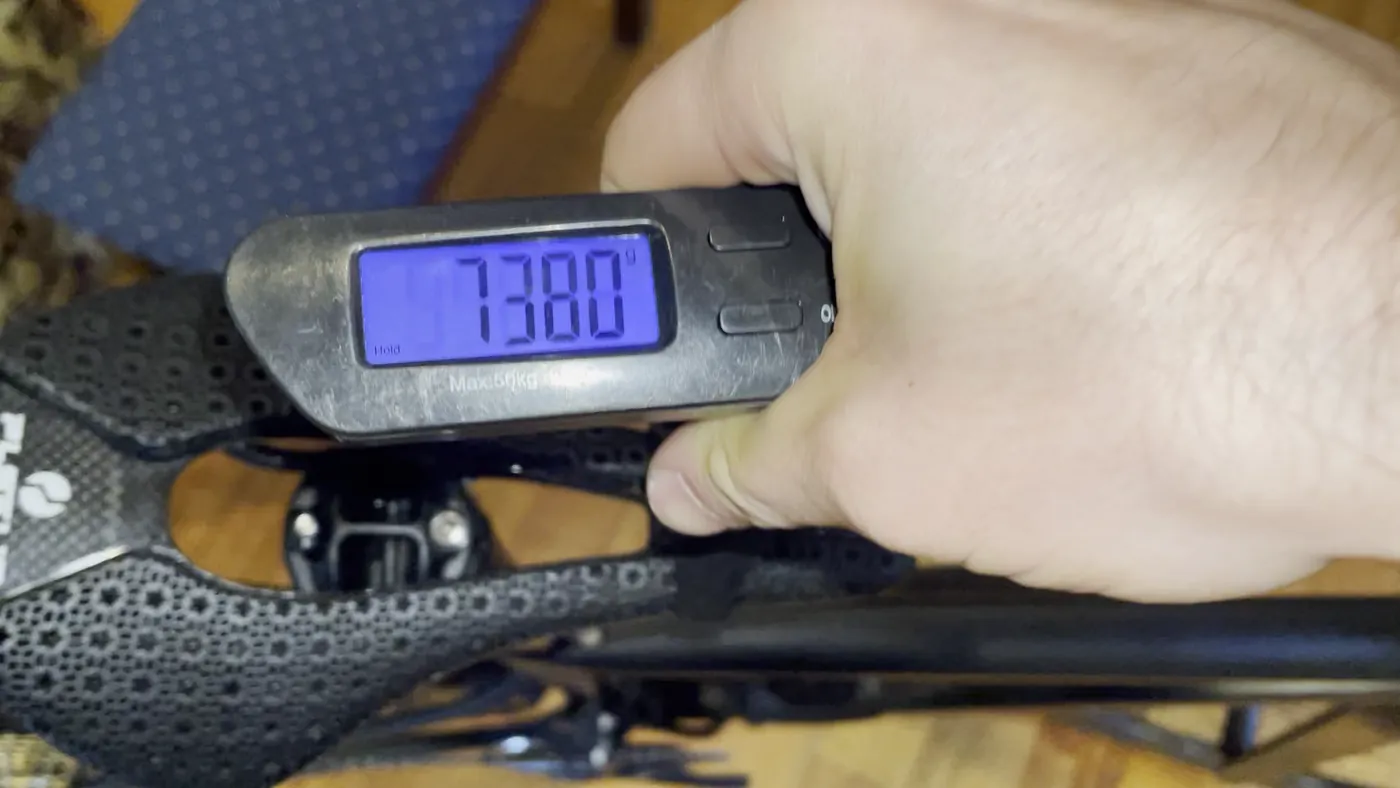
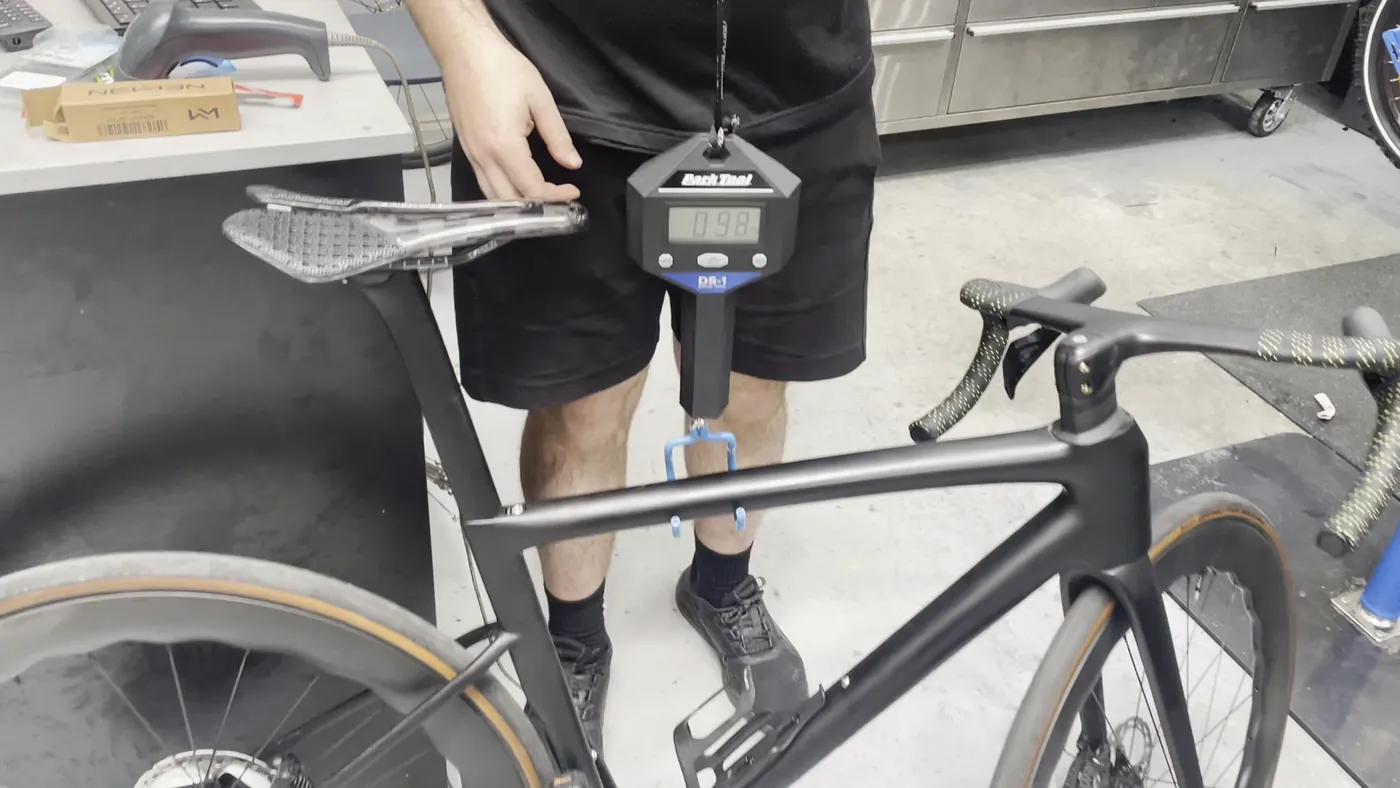
| Part | Before | After | Saved | Cost |
|---|---|---|---|---|
| Cassette | Shimano 105, 11-34: 360 g | ZTTO, 11-32: about 130 g | 230 g | About US$90 |
| Crankset | Shimano 105: 755 g | RIRO carbon, 53T, 165 mm: 590 g | 165 g | See today's price |
| Saddle | PLSELIS: 170 g | RYET hybrid: 120 g | 50 g | About US$80 |
| Bottle cage | Two cages | One cage | 40 g | Free |
| AirTag and mount | Fitted | Removed | 20 g | Free |
| Pedals | Dura-Ace: about 230 g | ONIRII PD-06: about 200 g | 30 g | About US$40 |
Lighter bar end caps and thinner bar tape took off a few more grams. Your numbers depend on what you start with.
The order holds for most bikes, though: cassette first, then crankset, then saddle.
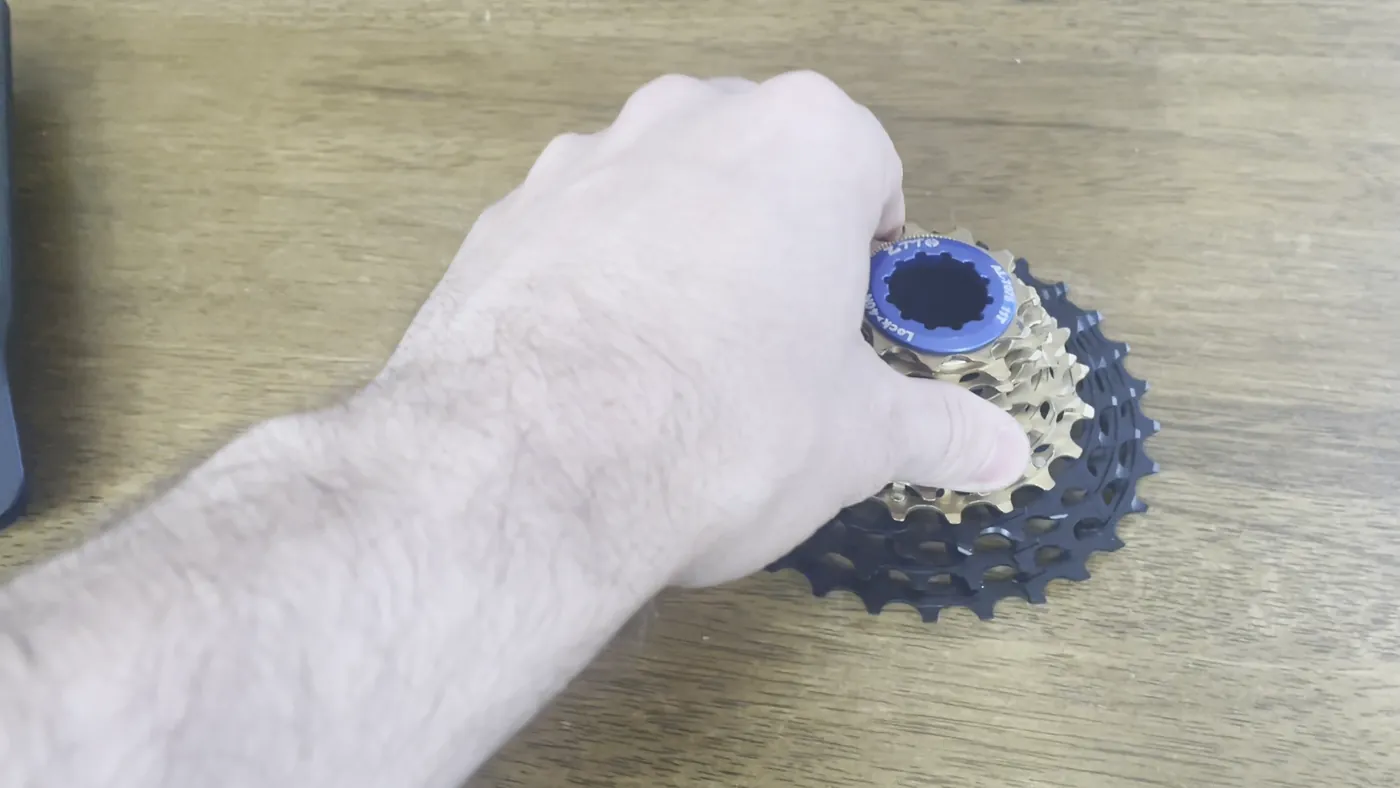
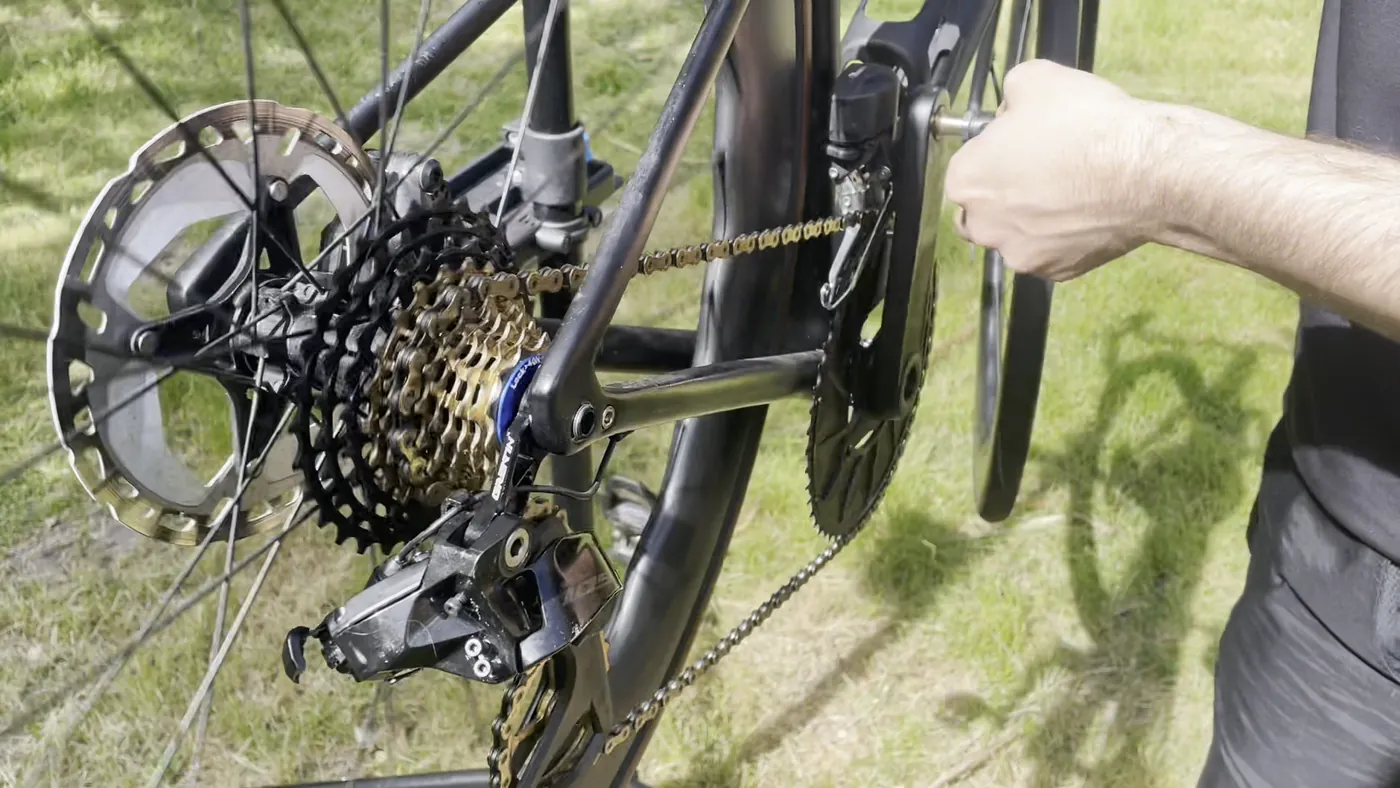
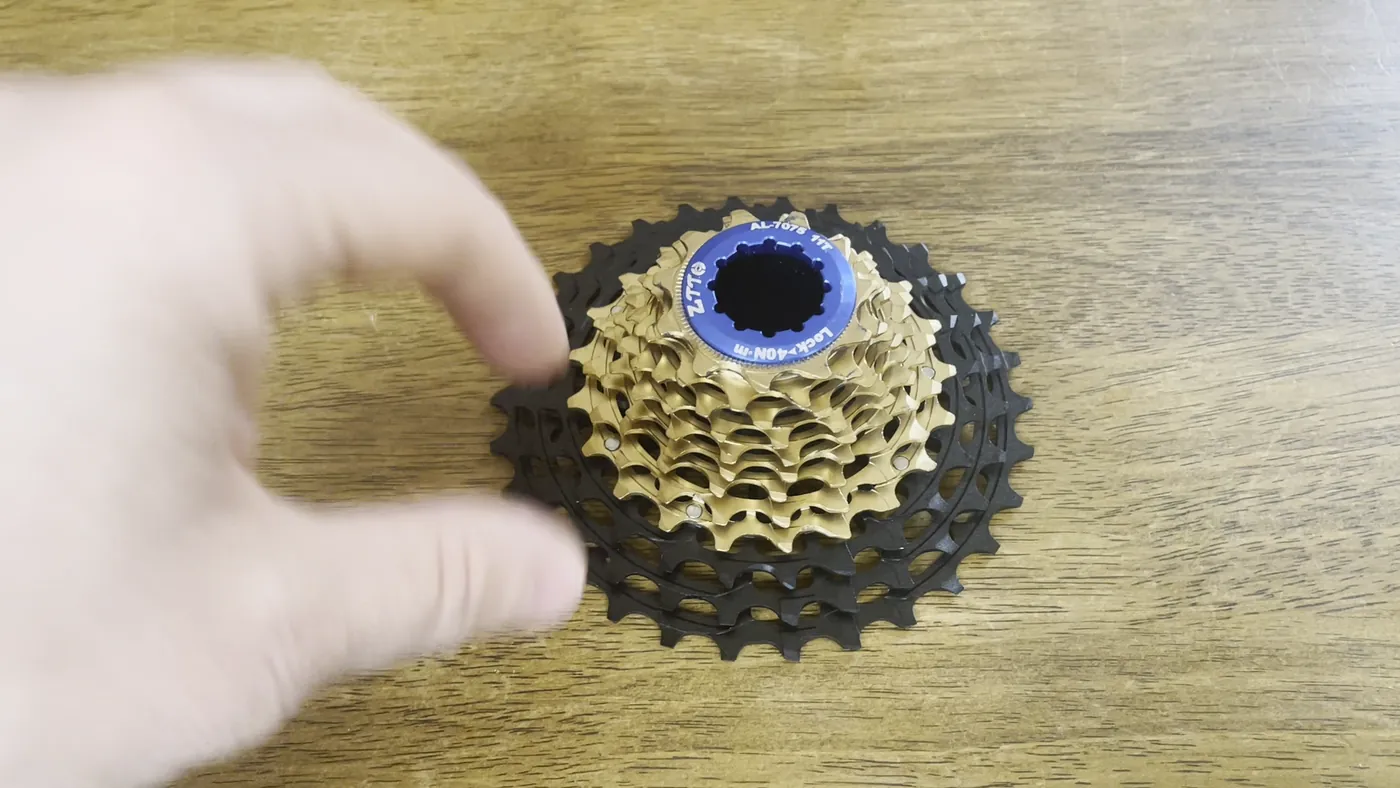
Yes. For weight saved per dollar, the ZTTO is the best upgrade on my bike. It weighs about 130 g against 360 g for the Shimano 105 11-34 it replaced, for about US$90 (I paid about A$140).
I ran one on my old bike too, with no durability issues. It fits a standard Shimano HG freehub. The lockring is bright blue, which I'd change if I could.
Close, but owners say not quite as polished. One owner on Reddit fitted an 11-36 to Ultegra and found it a touch less smooth and slightly noisier than Dura-Ace, and it needed careful indexing and B-screw adjustment.
Another saved about 80 g with a 12-speed ZTTO and couldn't feel any difference. If yours shifts rough out of the box, set the B-screw and indexing properly before you blame the cassette.
Faster than steel, yes. To get the weight down, the biggest sprockets are aluminium instead of steel, so they wear quicker. Some owners report creaking after a few hundred kilometres, and a few report the large sprockets coming loose on the 11-30 and bigger sizes. Others have done 10,000 km without trouble.
To give yourself the best chance, tighten the lockring to 40 Nm, keep your chain clean and replace it on time, and listen for a creak under load. If you want a cassette that'll last years, keep the steel one for training and use the ZTTO for racing and climbing.
A commenter on r/bikewrench put it bluntly: mixed steel and aluminium lightweight cassettes are probably less durable, so if you don't care about weight, Shimano 105 is the safe default.
| ZTTO lightweight | Shimano 105 | |
|---|---|---|
| Weight (mine) | About 130 g (11-32) | 360 g (11-34) |
| Big sprockets | Aluminium | Steel |
| Wear life | Shorter, some creaking reports | Longer |
| Shifting | Close to Shimano, may need careful indexing | The benchmark |
| Best for | Racing and climbing | Training and winter miles |
Check the range before you order. The listing has several sizes, and an 11-34 or 11-36 needs a long-cage derailleur. Smaller sizes are lighter still: one owner weighed a ZTTO SLR Gen 3 11-28 at 111 g.
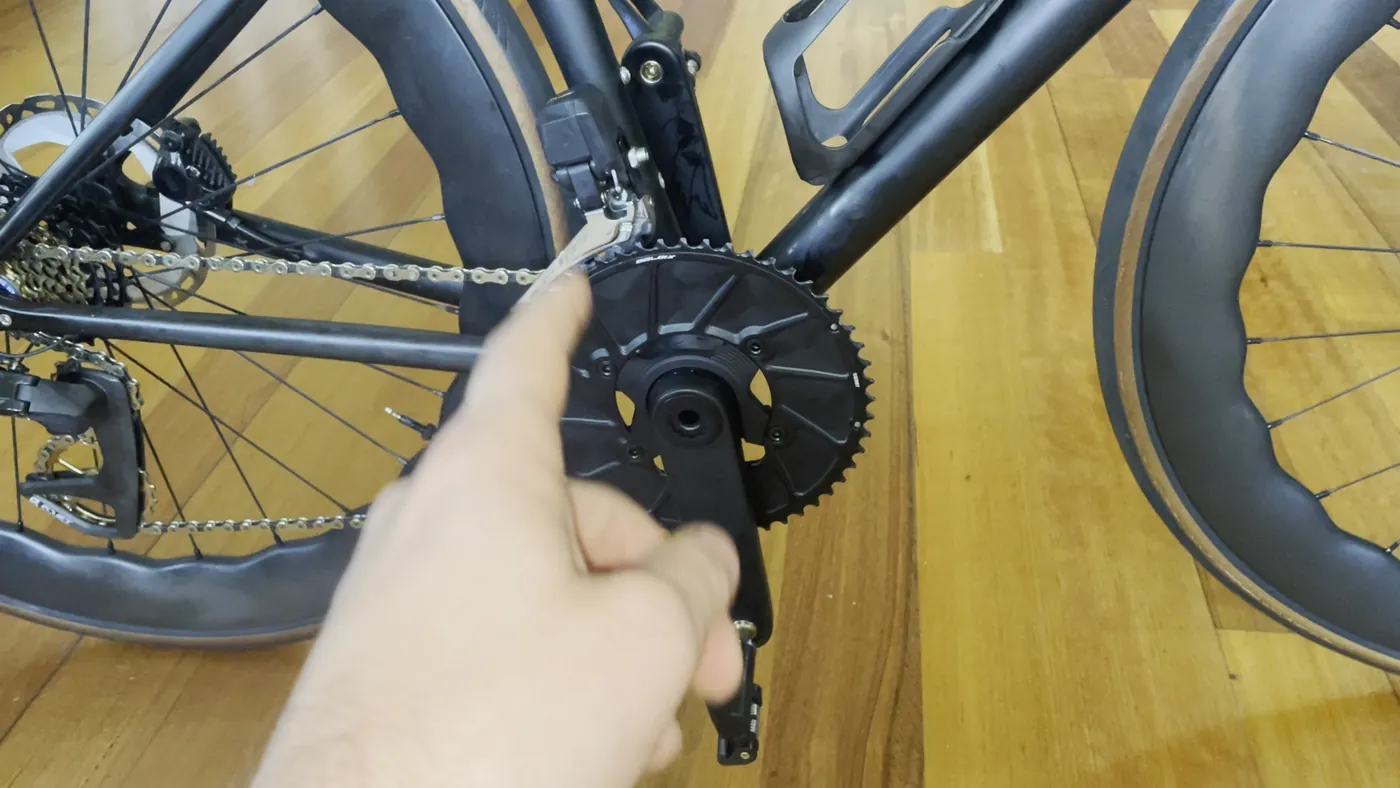
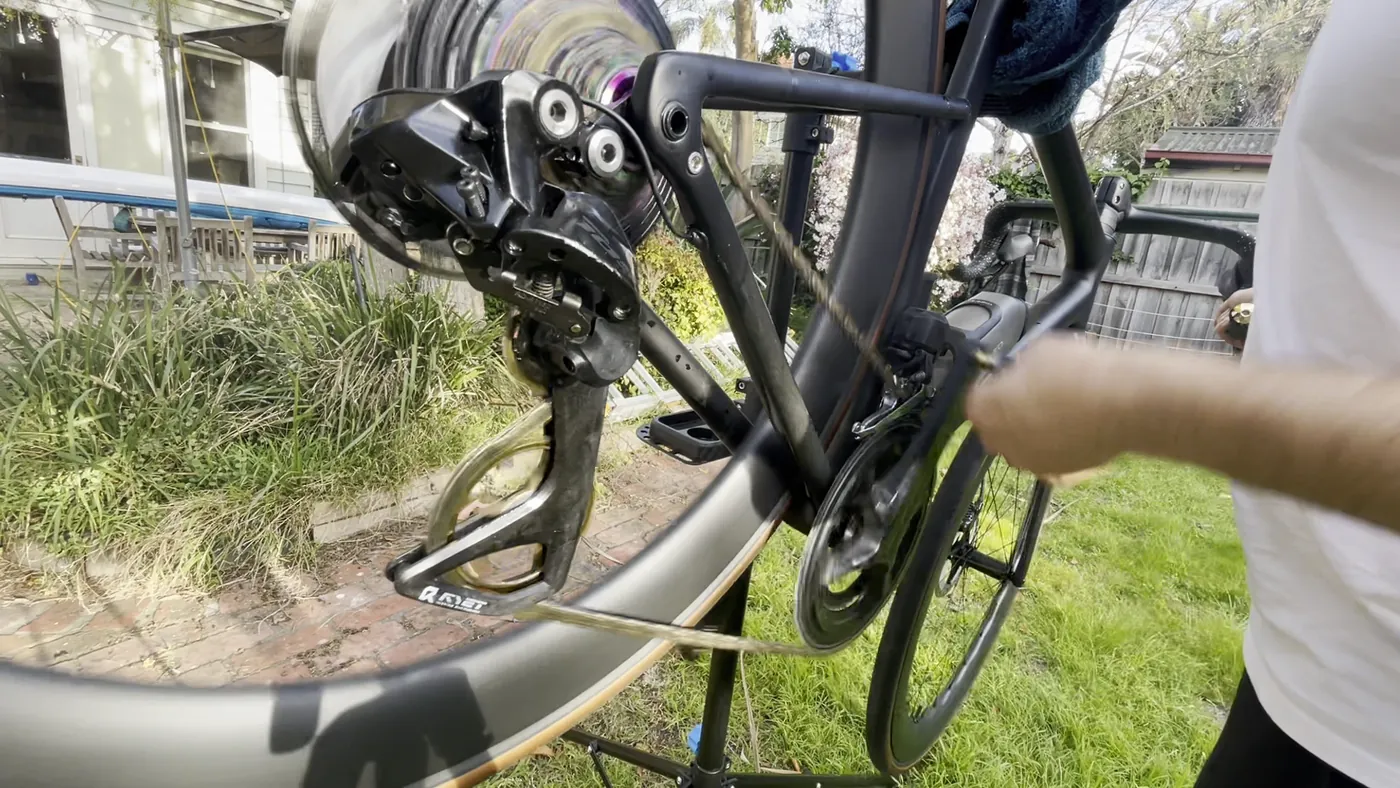
Yes, if your bottom bracket suits it. Mine weighs 590 g with a 53T ring and 165 mm arms, which is 165 g less than the 755 g Shimano 105 crankset it replaced.
I weighed every piece: 335 g for the crank arms and axle, 60 g for the adapter and 195 g for the chainrings.
I went with a 53-tooth big ring and 165 mm arms. The shorter arms help me hold a lower aero position, because my knees don't come up as high at the top of the pedal stroke. For crit racing, this bike is an absolute weapon now.
So far the long-term evidence is good. In his "18 months later" video, Trace Velo found no cracks or delamination on his RIRO. He liked the single SRAM-style extraction bolt, and he did snap one extraction bolt, which he blames on himself.
Other owners report bearings that seize or extraction bolts that crack, so install it carefully and torque every bolt to the seller's spec.
If your frame takes a DUB bottom bracket, buy the newer 29 mm DUB-axle version, which Trace Velo rates as stronger. If you need the 24 mm version, pair it with a Shimano bottom bracket and check the preload.
The 24 mm version has an aluminium axle, and Trace Velo notes reports of it snapping under extreme loads. Owners also report it can bind or seize in some wide aftermarket bottom brackets.
| Version | Bottom bracket | What owners report |
|---|---|---|
| 24 mm aluminium axle | Shimano BBR60 (threaded) or SM-BB72-41B (press-fit) | Fits these fine. Can bind in some wide aftermarket BBs. Reports of snapping under extreme loads |
| 29 mm DUB axle | A DUB bottom bracket for your frame | Rated stronger by Trace Velo |
Fitting it. Match the version to your frame's bottom bracket shell (BB86, BB386, BSA and so on) and buy the right bearings if they're not in the box. Set the preload so the cranks spin freely with no side-to-side play. Torque the crank bolt to the seller's spec: one owner's bolt was marked 35 to 40 Nm.
Don't mix it up with the RIRO-branded cassette. That's a different product, and forum users report problems with it (more on that below).
For me, yes. The RYET hybrid is about 120 g, 50 g lighter than the 170 g PLSELIS that came with the bike, and it's the most comfortable saddle I've used.
The PLSELIS is a good saddle, to be fair. The RYET has a carbon nose, a 3D printed rear and a big cutout. I tested four cheap saddles to find it, and the full story is in my RYET saddle review.
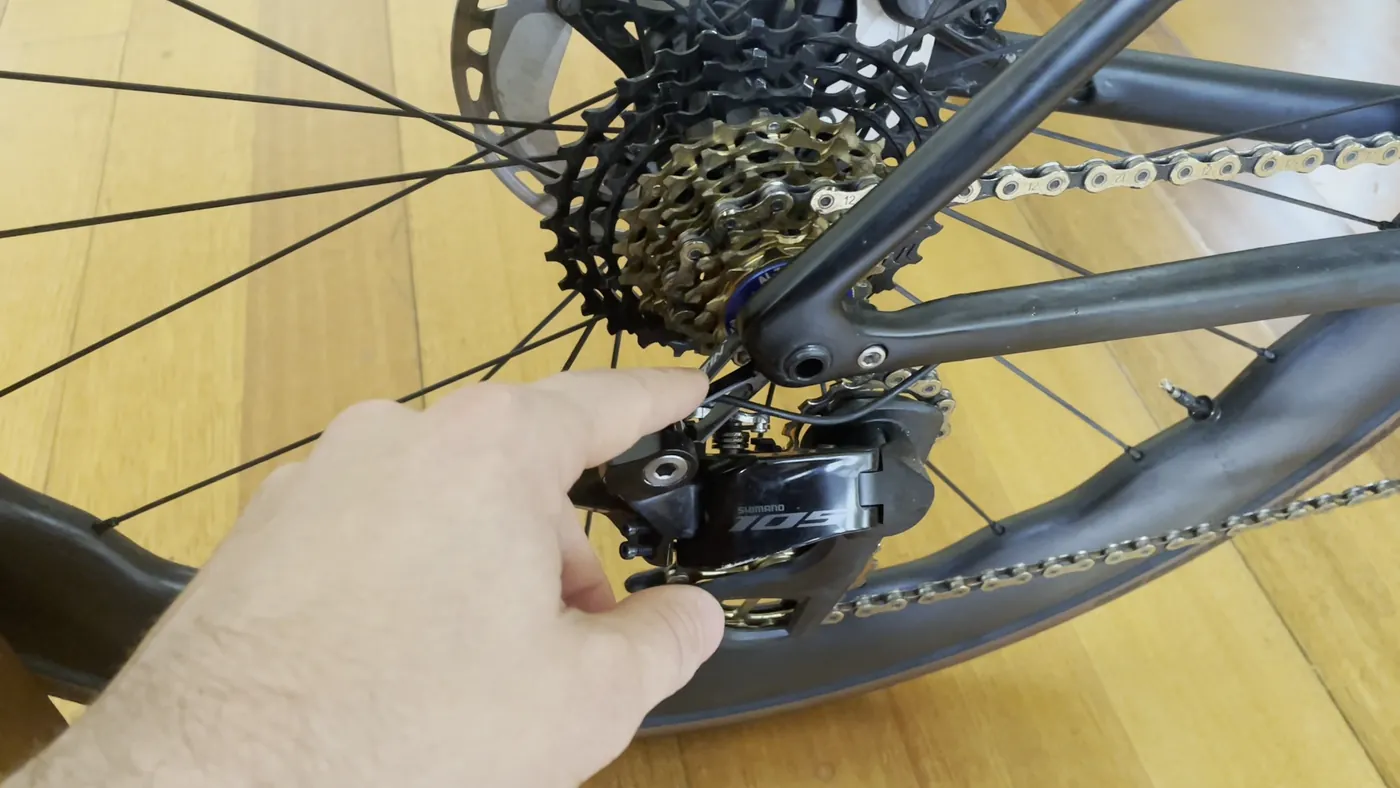
Only once you've done the bigger upgrades. The gain is real but small: Bicycling puts it at about 3 W at best, and BikeRadar reports only 0.25 W comes from pulley size alone.
Bigger pulleys let the chain bend less as it runs through the derailleur, which cuts a little friction. The big brands charge US$475 or more for an OSPW system. On AliExpress you get the same idea for about the price of a chain.
I run RYET oversized pulley wheels. If you want a full bolt-on cage, the Motion Aero OSPW is about US$39.
| Option | What you get | Price |
|---|---|---|
| RYET oversized pulleys | Bigger pulley wheels for your existing cage | See today's price |
| Motion Aero OSPW | Complete oversized cage and pulleys | About US$39 |
| Big-brand OSPW | Complete system | US$475 to US$2,000 |
They're worth it if you need pedals anyway. They weigh about 200 g a pair against about 230 g for my Dura-Ace pedals, and cost about US$40 (I paid A$65).
The saving is small, but you'd pay several times more for it from Shimano. Check which cleat system the listing uses before you order.
Take off what you don't need. Removing my second bottle cage and my AirTag mount saved 60 g between them, a bit more than the saddle swap did.
Skip AliExpress for tyres, helmets and very cheap no-name cassettes, and be careful with any part where a failure means a crash. Drivetrain parts like cassettes, cranks and pulleys have been fine for me.
For weight, yes. My ZTTO weighs about 130 g against 360 g for the Shimano 105 11-34 it replaced, a 230 g saving for about US$90. The trade-off is wear: the big alloy sprockets wear faster than steel. If you don't care about weight, Shimano 105 is the safe default.
Nearly. One owner on Reddit found it shifts a touch less smoothly and slightly noisier than Dura-Ace, and it needed careful indexing and B-screw adjustment. Another owner, who saved about 80 g with a 12-speed ZTTO, couldn't feel any difference in shifting at all.
Faster than a steel Shimano cassette. The biggest sprockets are aluminium, and some owners report creaking after a few hundred kilometres or loose sprockets on 11-30 and bigger sizes, while others have done 10,000 km without trouble. Tighten the lockring to 40 Nm and replace your chain on time.
Mostly, but the 29 mm version is the safer bet. Trace Velo found no cracks or delamination in his long-term test, but notes reports of the 24 mm aluminium axle snapping under extreme loads, and rates the newer 29 mm DUB-axle version as stronger. If your frame takes DUB, buy that one.
For the 24 mm version, owners report a good fit with the Shimano BBR60 threaded or SM-BB72-41B press-fit bottom brackets, while some wide aftermarket ones can bind or seize. The 29 mm version takes a DUB bottom bracket. Either way, check the preload and torque the crank bolt to the seller's spec.
Start with the cassette. A lightweight ZTTO saved me 230 g for about US$90, more than any other single part. Then a carbon crankset (165 g) and a lighter saddle (50 g). Removing a bottle cage I didn't need and an AirTag mount saved me another 60 g for free.
Avoid AliExpress tyres (a fake isn't worth the risk), cheap aero helmets with no real safety certification, and very cheap no-name cassettes, which owners say shift worse and weigh more. Forum users also report a sheared tooth on the RIRO-branded cassette, which is a different product from the RIRO crankset.
Some are, some aren't. Drivetrain parts like cassettes, cranks and pulleys have been fine for me. Be more careful with parts where a failure means a crash, such as handlebars, stems, seatposts and helmets. Buy from sellers with lots of reviews, use a torque wrench, and inspect carbon parts after any crash.
Only after the bigger upgrades. Bicycling puts the gain at about 3 W at best, and BikeRadar reports only 0.25 W comes from pulley size alone. Big-brand systems cost US$475 or more, while AliExpress versions cost about the price of a chain, so buy them for the look and a small gain.
Cassette first. It's the biggest saving for the least money. Then the crankset if your bottom bracket suits it, and a saddle you actually like sitting on.
See the full X68 build list, or read about cheap aero upgrades and the best budget smart trainer.
Owner reports on shifting, wear and bottom bracket fit come from Reddit (r/WeightWeenies, r/bikewrench) and the chinertown forum. Every weight, price and ride impression without a source is from my own bike, my own scale and my own receipts.