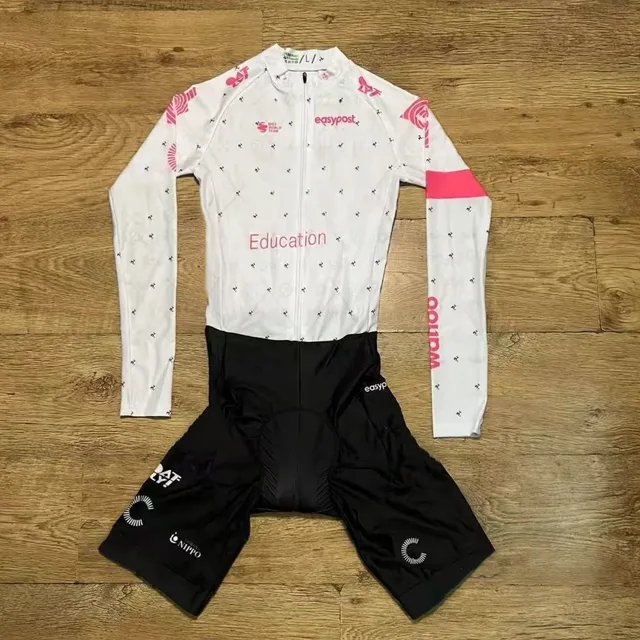
DAREVIE road skinsuit
One piece, no flapping jersey. Biggest gain if your kit is loose now.
About US$39
Buy on AliExpress ↗
 Jack's Coaching
By Jack, Jack's Coaching
Updated 7 November 2026
Bought with my own money
The buy buttons on this page are affiliate links. If you buy through them I may earn a small commission at no extra cost to you. No brand sent me this kit or saw this article.
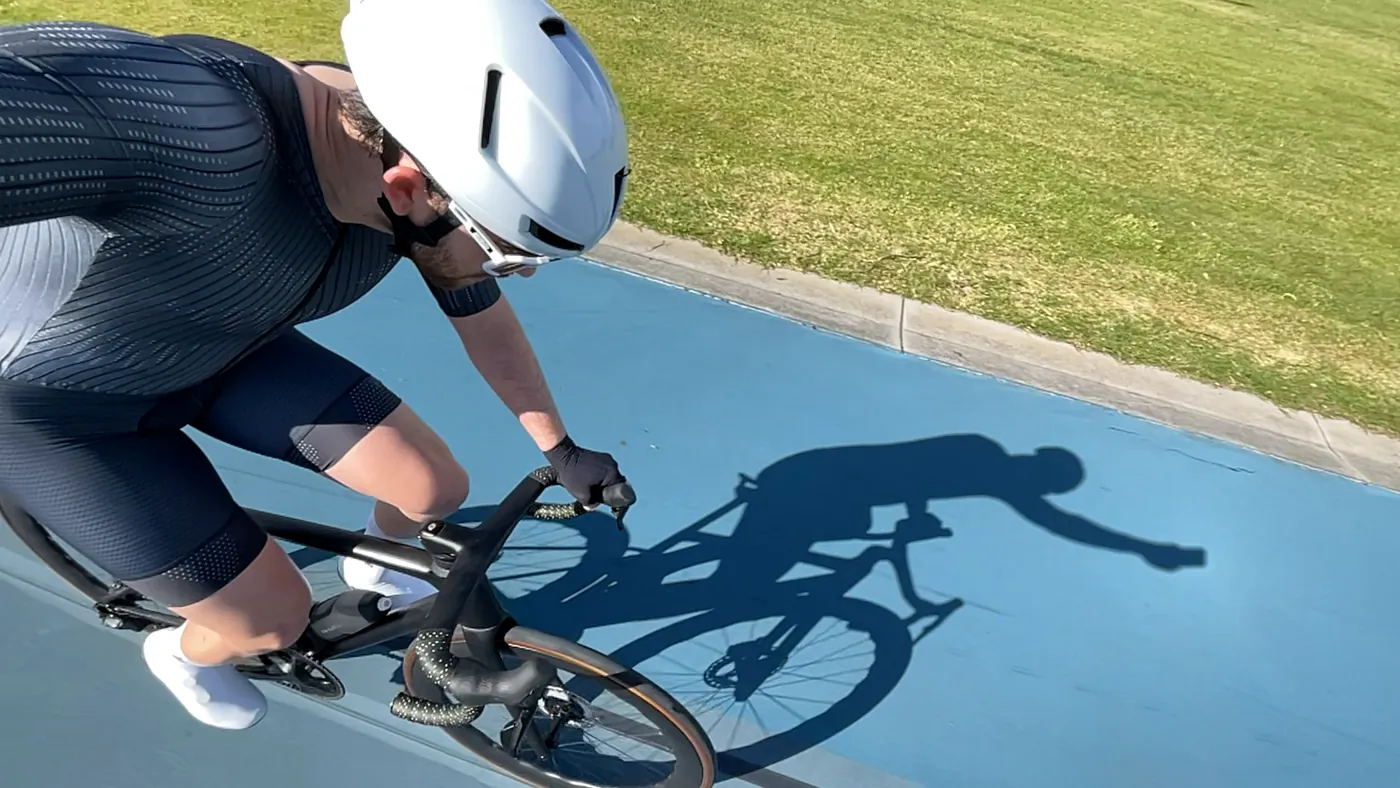
Start with your position: it's free, and BikeRadar's wind tunnel measured 22 W from position alone. Then buy aero overshoes (about US$19, about 6 W) and, if your jersey flaps, a tight skinsuit (about US$39, about 10 W over loose kit). The catch: aero socks barely register in independent tests. And never buy a cheap aero helmet.
One piece, no flapping jersey. Biggest gain if your kit is loose now.
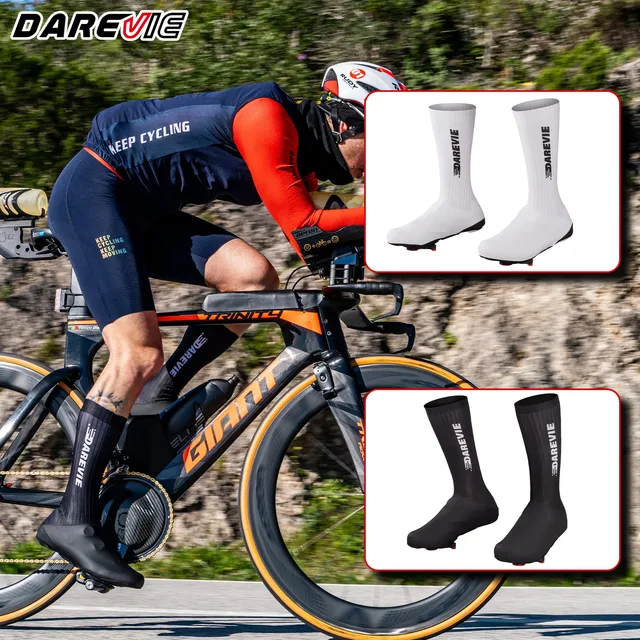
Smooth covers for your shoes. Big-brand pairs cost about US$65.
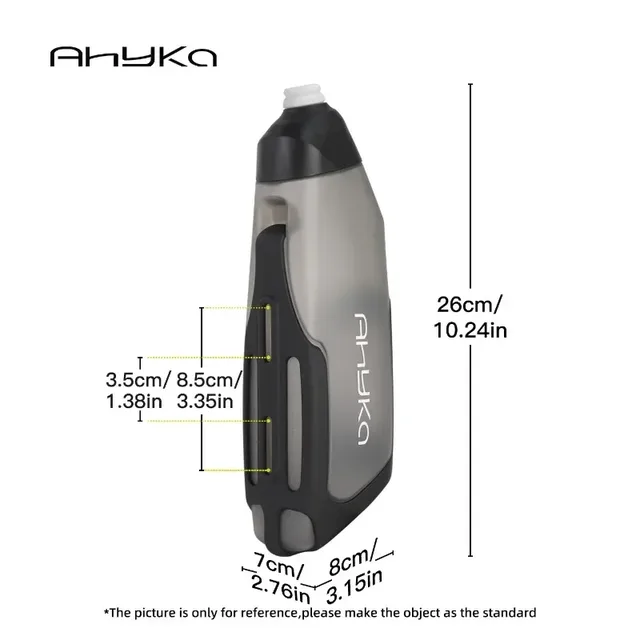
A Trek RSL-style aero bottle that locks in tight.
At race speed, most of your power goes into shoving air out of the way. Not weight. Air.
So aero is the cheapest speed there is, and the best upgrades cost the least. Below is the aero kit I actually use, ranked by watts per dollar with real wind tunnel numbers, plus the one thing I'd never buy cheap.
Fix your position first, because it's free and it's the biggest saving. Then buy aero overshoes, and a tight skinsuit if your current kit is loose. An aero bottle and shorter cranks are nice extras. Skip aero socks for the watts, and don't buy a cheap aero helmet.
Position wins by a mile because it costs nothing, and aero overshoes are the best paid upgrade at roughly a third of a watt per dollar. A skinsuit comes next, but only if it's replacing loose kit. Aero socks and aero bottles are the weakest value.
| Upgrade | Measured saving | Cost | Watts per US$ |
|---|---|---|---|
| Lower, tucked position | 22.38 W at 35 km/h (BikeRadar) | Free | Unbeatable |
| Aero overshoes | 6.27 W vs standard socks at 40 km/h (Cyclingnews) | About US$19 | About 0.33 |
| Skinsuit replacing a loose jersey | About 10 W at 40 km/h, 18 W with an aero base layer (Cyclingnews) | About US$39 | About 0.26 |
| Skinsuit replacing tight kit | 3.69 W for a £395 speedsuit vs fitted team kit (BikeRadar) | About US$39 | About 0.09 |
| Aero bottle and cage | About 1.8 W a pair (Trek's claim) | About US$34 | About 0.05 |
| Aero socks | 0.33 W (BikeRadar) to within margin of error (Cyclingnews) | A few dollars | Close to zero |
These numbers come from different tests: BikeRadar's tunnel at 35 km/h, Cyclingnews' tunnel at 40 km/h, and Trek's own claim for the bottle. Your saving depends on your speed, your size and what you wear now. Ride slower and every number shrinks, but the order barely changes. My speed calculator shows what a few watts is worth to you.
More than anything you can buy. In BikeRadar's wind tunnel test, body position alone saved 22.38 W at 35 km/h, for free.
That makes sense once you know your body makes most of the drag, not your bike. A flatter back, a lower head and narrower arms all shrink the hole you punch in the air.
You don't need a bike fit to start. Ride on the hoods with your forearms flat ("aero hoods"), or in the drops with your elbows bent. Hold it for a few minutes at a time, and work on hip and hamstring flexibility so you can hold it longer.
Avoid the "puppy paws" forearms-on-the-bars position. The UCI banned it in races in 2021, and it's sketchy in a group.
BikeRadar's test also found clip-on aero bars saved 31.33 W, more than position. They're for solo time trials and triathlon, though, not bunch rides. Narrower handlebars saved 2.43 W in the same test.
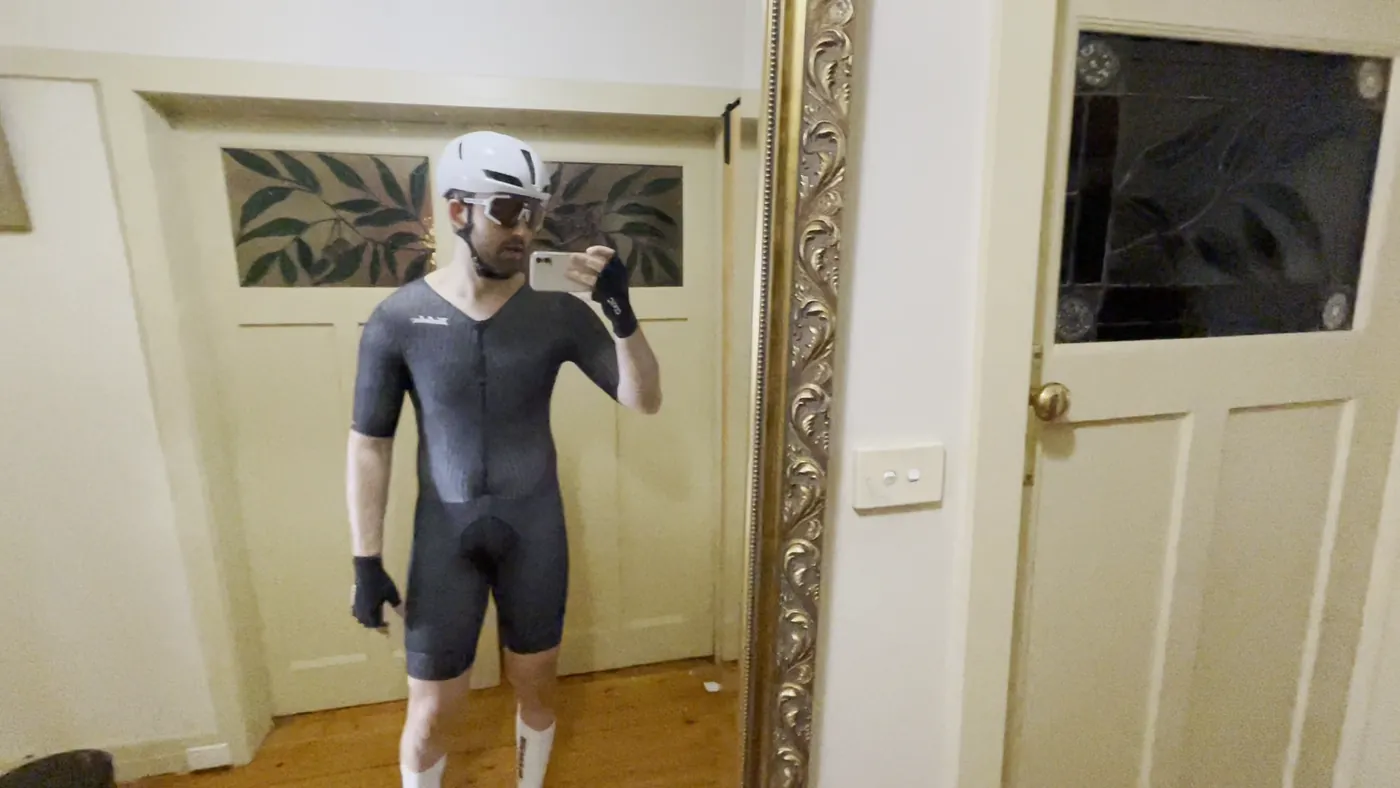
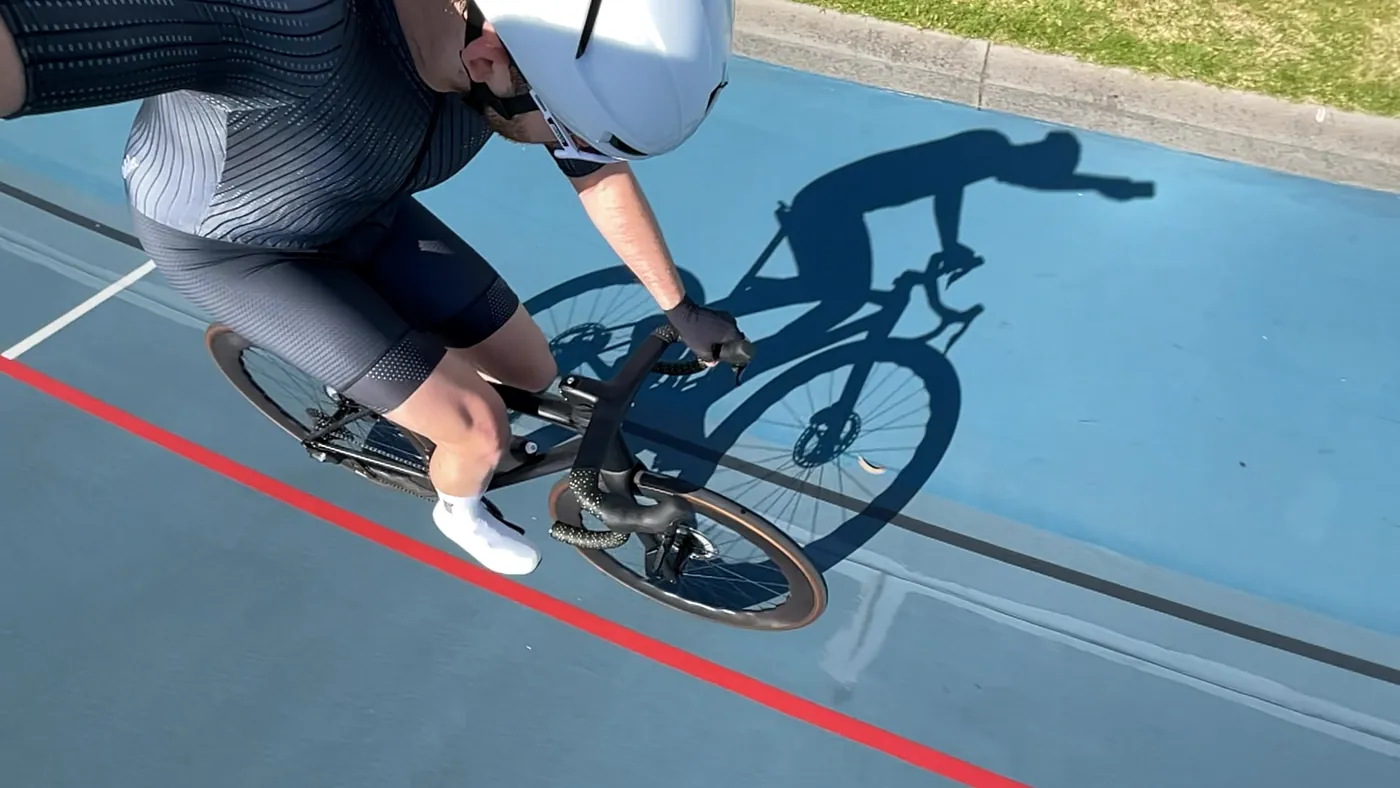
A skinsuit is worth it if your current jersey is loose, and much less so if your kit already fits tight. What you're really paying for is getting rid of flapping fabric.
In Cyclingnews' wind tunnel test at 40 km/h, a skinsuit was about 10 W faster than a basic budget jersey that flapped, and about 18 W faster with an aero base layer underneath. A premium fitted jersey was barely faster than the budget one.
Now the other side. BikeRadar tested a £395 road speedsuit against a well-fitted team jersey and bibs, and it saved only 3.69 W. Cycling Weekly lands in the same place: about 5 W over a close-fitting jersey, 10 W over loose kit.
That's why I buy a cheap one. The DAREVIE skinsuit is about US$39, and it's the one I wore in my aero positions test. The fabric is fine for racing and the chamois is comfortable for a few hours. Riders who've compared them say they're on par with mid-range western brands.
Sizing tip: buy the smallest size you can get into. I'm 6'1" (185 cm) and 85 kg, and I wear a small. Every wrinkle costs drag (track rider Dan Bigham reckons about a watt each), so a skinsuit that feels a bit too tight standing up is usually right once you're on the bike.
DAREVIE uses Asian sizing, the sleeves are tight, and the legs are short on some models. Check the size chart against your measurements, not your usual size.
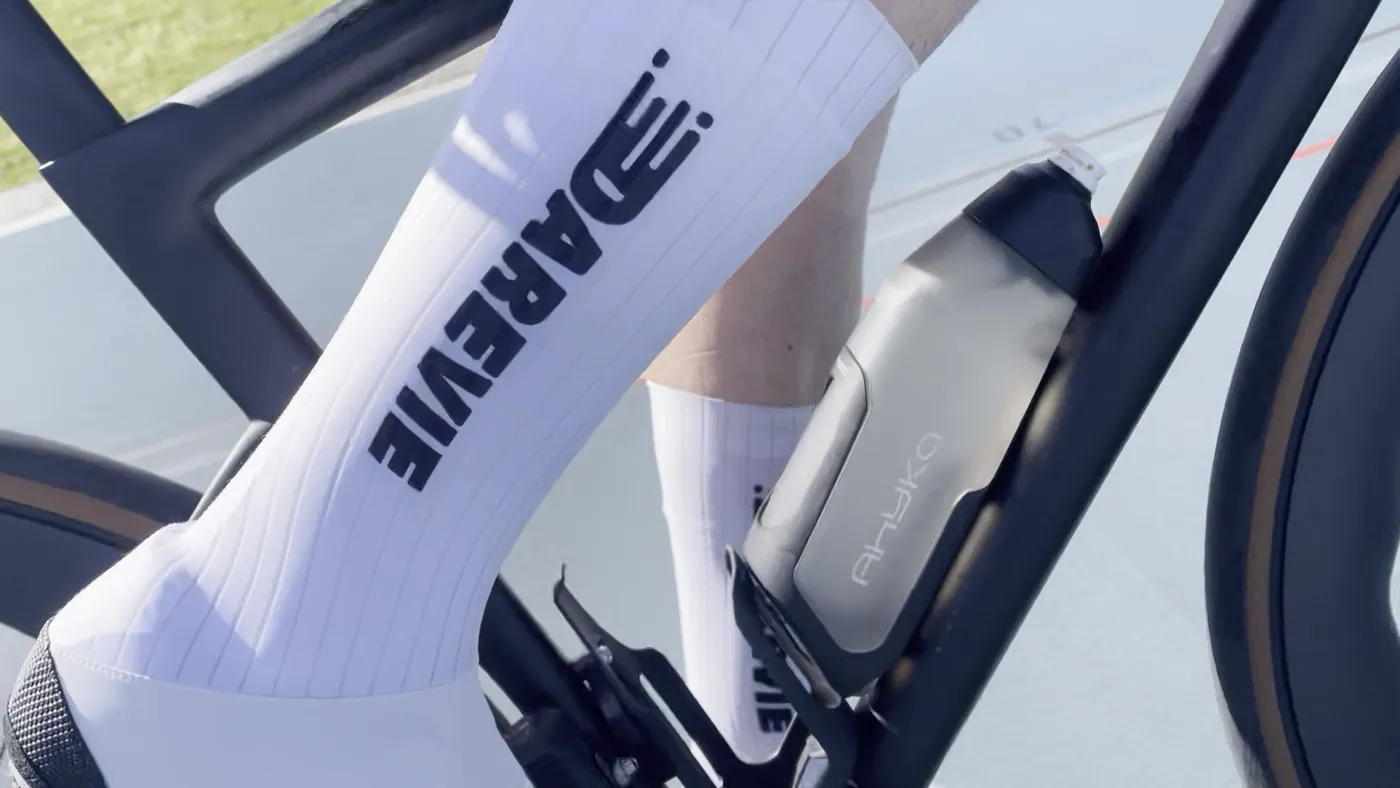
Aero overshoes work. Aero socks, on their own, barely do. Cyclingnews measured aero shoe covers 6.27 W faster than standard socks at 40 km/h (give or take 2.55 W), which is a real saving for US$19.
Your feet move fast through the air, and shoes have straps, buckles and vents that catch the wind. Covering the whole shoe in smooth fabric fixes that. A textured sock only covers your ankle.
The independent sock numbers are tiny. BikeRadar measured aero socks just 0.33 W faster than standard cycling socks, and Cyclingnews found the difference was within its margin of error. Brands claim more, and the experts Bicycling spoke to disagree: one put it at 4 to 8 W, another said it depends heavily on the rider. BikeRadar also found the sock grippers lose their stickiness after a few washes, so the socks fall down.
So if you want aero feet, buy overshoes. Big-brand aero overshoes cost about US$65. The DAREVIE aero overshoes are about US$19, and they're my rain hack too: they keep your feet warmer and drier on wet rides. (My other two rain tips: layer up, and drop your tyre pressure by 5 to 10 psi for more grip.)
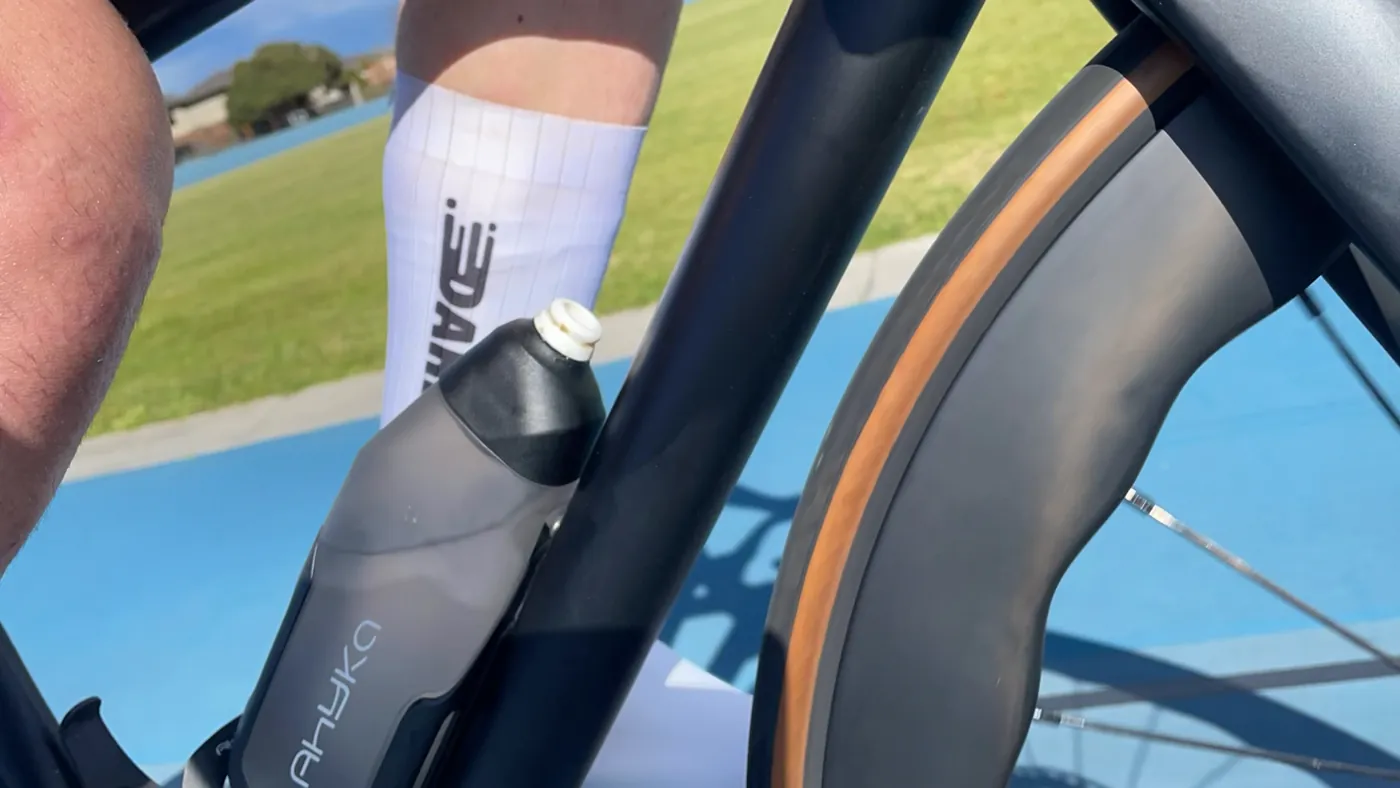
A little. Trek claims its pair of RSL aero bottles saves about 1.8 W, which is small, but it's the only aero upgrade on this page you can also drink out of.
The AHYKA bottle copies the Trek RSL and costs about US$34 with its cage. What I found using it:
I also tried an Elite Chrono-style magnetic bottle. The holster is lighter, but the bottle fell out over potholes and leaked. For most riders, the AHYKA is the one to get.
Indirectly, yes. Shorter cranks don't save watts on their own, but they make a low position easier to hold, and the position is where the watts are.
I went from 172.5 mm to 165 mm cranks. Your knee doesn't come up as high at the top of the stroke, so you can get lower and stay there more comfortably. I use the RIRO carbon crankset, which also saved me 165 g.
I can't tell you it is, which is why I won't link one. An aero road helmet does save real watts (BikeRadar measured 7.56 W), but a helmet's first job is protecting your head.
There are AliExpress copies of helmets like the Kask Utopia for under US$30. I tested two. One had no safety certification sticker at all, and the other had a sticker I couldn't verify. I don't race in either, and I don't link them.
A helmet is the one thing you shouldn't buy on price. Get an aero helmet certified for where you ride (EN 1078 in Europe, CPSC in the US, AS/NZS 2063 in Australia) from a real retailer. Last season's models are often heavily discounted.
Your position. It's free, and in BikeRadar's wind tunnel test a better body position saved 22.38 W at 35 km/h, more than any product they tried except clip-on aero bars. After that, the best value is aero overshoes (about US$19) and, if your current kit is loose, a tight skinsuit (about US$39).
Yes, if your current jersey is loose. Cyclingnews measured a skinsuit about 10 W faster than a flapping budget jersey at 40 km/h. If your kit already fits tight, the gain is small: BikeRadar found a £395 speedsuit only 3.69 W faster than well-fitted team kit. At US$39, that's a cheap gamble.
Barely. BikeRadar measured aero socks only 0.33 W faster than standard cycling socks, and Cyclingnews found the difference was within its margin of error. Brands and some experts claim more, and the gain seems to depend on the rider. Aero overshoes are the better buy: 6.27 W in Cyclingnews' test.
For racing and fast group rides, yes. Cyclingnews measured aero shoe covers 6.27 W faster than standard socks at 40 km/h, give or take 2.55 W. The DAREVIE pair is about US$19 against about US$65 for big-brand overshoes, and they keep your feet warmer and drier on wet rides.
Usually more than any product you can buy. BikeRadar measured 22.38 W at 35 km/h from body position alone. Flat forearms on the hoods, or bent elbows in the drops, gets you most of it. The limit is how long you can hold it, so work on hip and hamstring flexibility.
A small one. Trek claims about 1.8 W for a pair of its RSL aero bottles. The AHYKA copy I use is about US$34 with its cage, holds 600 mL and hasn't come out on rough roads. Buy one because you need a bottle anyway, not for the watts alone.
The DAREVIE one is. For about US$39 the fabric is fine for racing and the chamois is comfortable for a few hours, and riders who've compared them rate them on par with mid-range western brands. Sizing is Asian and runs small: I'm 185 cm and 85 kg and I wear a small.
I can't say it is, so I don't race in one. The two AliExpress aero helmets I tested had no reliable certification: one had no sticker at all and the other had a sticker I couldn't verify. Buy an aero helmet certified for where you ride (EN 1078, CPSC or AS/NZS 2063) from a real retailer.
Practise your position this week, it's free. Then get a pair of aero overshoes, and a skinsuit that fits tight if your jersey flaps. That's most of the gain for under US$60.
Next: AliExpress upgrades that took my bike to 6.95 kg, or the RYET saddle review.
Every weight, price and ride impression without a source is from my own bike, my own scale and my own receipts.